What is SEO?
What is Seo?
SEO stands for Search Engine Optimisation. It is the practice of optimising a website to improve its rankings in search engine results pages (SERPs). The main goal of SEO is to increase organic traffic, which refers to visitors who find your website through unpaid search results.
Search engines like Google use complex algorithms to determine which websites should appear first for a particular search query. SEO helps search engines understand your content and determine whether it is relevant and valuable to users.
For example, if someone searches for “best digital marketing strategist in Kannur,” Google will display websites that it believes provide the most relevant information. Proper SEO increases the chances of your website appearing among those results.
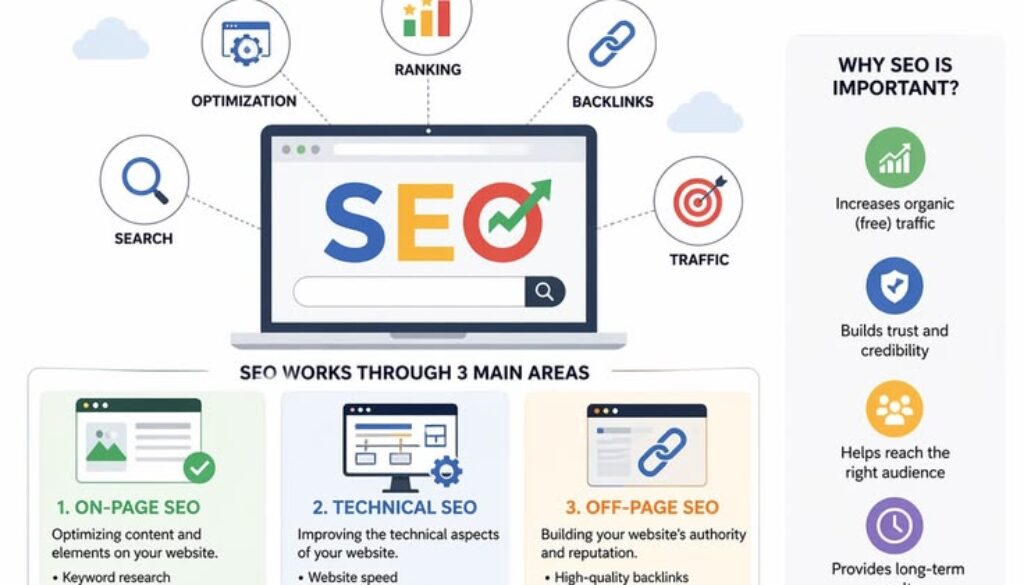
Why is SEO Important?
SEO is important because it helps businesses increase their online visibility and attract potential customers. Most users do not go beyond the first page of search results, making higher rankings extremely valuable.
Some key reasons why SEO is important include:
- Increases website traffic
- Improves brand awareness
- Builds trust and credibility
- Generates quality leads
- Provides long-term results
- Enhances user experience
- Offers a better return on investment compared to many advertising methods
When implemented correctly, SEO can become one of the most effective digital marketing strategies for business growth.
Types of SEO
SEO is generally divided into three main categories.
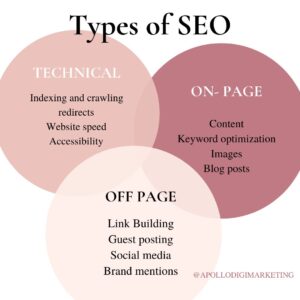
On-Page SEO
On-Page SEO refers to the optimisation activities performed directly on your website. The goal is to make your content more relevant and user-friendly.
Examples of On-Page SEO include:
- Keyword optimization
- Creating quality content
- Optimizing title tags
- Writing meta descriptions
- Using heading tags correctly
- Internal linking
- Image optimization
On-Page SEO helps search engines understand the purpose and relevance of your content.
Off-Page SEO
Off-Page SEO involves activities performed outside your website to improve its authority and reputation.
Examples include:
- Building backlinks
- Social media promotion
- Brand mentions
- Guest blogging
- Influencer outreach
Backlinks from trustworthy websites act as votes of confidence and can improve your search engine rankings.
Technical SEO
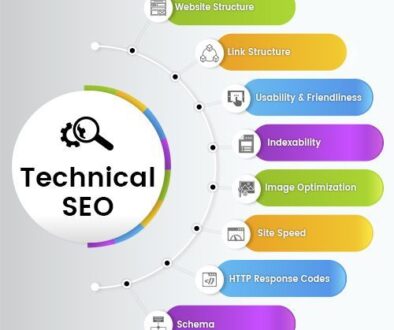
Technical SEO focuses on improving the technical aspects of a website to help search engines crawl and index pages efficiently.
Important elements of Technical SEO include:
- Website speed optimization
- Mobile responsiveness
- XML sitemaps
- Secure HTTPS connection
- Structured data
- Fixing crawl errors
Technical SEO ensures that search engines can access and understand your website properly.
Benefits of SEO for Businesses
SEO offers several advantages for businesses looking to grow online.
Increased Organic Traffic
SEO helps attract visitors who are actively searching for products, services, or information related to your business.
Better User Experience
A well-optimized website is easier to navigate, loads faster, and provides a better experience for users.
Higher Credibility
Websites that appear on the first page of Google are often viewed as more trustworthy and authoritative.
Cost-Effective Marketing
Unlike paid advertising, SEO continues to generate traffic even after content is published.
Improved Conversion Rates
SEO targets users who are already interested in what you offer, increasing the likelihood of conversions.
SEO Best Practices
To achieve better rankings, follow these SEO best practices:
Conduct Keyword Research
Identify relevant keywords that your target audience is searching for and use them naturally throughout your content.
Create High-Quality Content
Publish informative, original, and valuable content that answers user questions and solves problems.
Optimize for Mobile Devices
Ensure your website is mobile-friendly because a large percentage of users browse on smartphones.
Improve Website Speed
Fast-loading websites provide a better user experience and can improve search rankings.
Use Internal Linking
Link related pages and blog posts within your website to help users and search engines discover more content.
Build Quality Backlinks
Focus on earning backlinks from reputable and relevant websites.
Update Content Regularly
Refreshing older content can help maintain its relevance and improve rankings over time.
Conclusion
SEO is a powerful digital marketing strategy that helps businesses improve their online visibility, attract targeted traffic, and generate more leads. By understanding the basics of Search Engine Optimization and implementing effective SEO techniques, businesses can achieve sustainable growth in search engine rankings.
Whether you are a beginner or a business owner looking to expand your online presence, investing in SEO can deliver long-term benefits. Start by creating valuable content, optimizing your website, and focusing on user experience to build a strong foundation for success.