social media platform
How to Create a Social Media Platform: A Complete Beginner’s Guide
In today’s digital world, many entrepreneurs and businesses are exploring how to create a social media platform that connects people, builds communities, and generates revenue. Whether you’re planning a niche networking site, a professional community, or a content-sharing platform, understanding the development process is essential for success.
Why Create a Social Media Platform?
Social media platforms have transformed the way people communicate, share content, and engage with brands. Creating your own platform allows you to:
1.Build a dedicated online community
2.Offer unique features for a specific audience
3.Generate revenue through ads or subscriptions
4.Establish a strong digital presence
5.Create opportunities for user-generated content
Before starting, it is important to identify your target audience and define the purpose of your platform.
How to Create a Social Media Platform: Step-by-Step Process
1. Define Your Niche
The most successful social platforms solve a specific problem or serve a particular audience. Instead of competing directly with large platforms, focus on a niche market.
Examples include:
Professional networking
Educational communities
Fitness and wellness groups
Local business communities
Hobby-based social networks
2. Research Your Audience
Understanding user behavior helps you build features that people actually need. Conduct surveys, study competitors, and identify gaps in the market.
Key questions to answer:
Who will use your platform?
What challenges do they face?
What features are most important to them?
3. Plan Essential Features
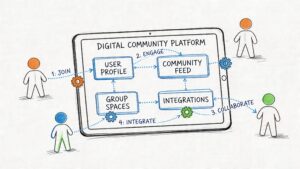
A social media platform should include core functionalities such as:
User registration and profiles
News feed
Content sharing
Likes and comments
Messaging system
Notifications
Search functionality
Privacy settings

4. Choose the Right Technology Stack
Selecting suitable technologies is crucial for performance and scalability.
Common choices include:
Frontend: React, Vue.js, Angular
Backend: Node.js, Django, Laravel
Database: PostgreSQL, MySQL, MongoDB
Cloud Hosting: AWS, Google Cloud, Azure
Your technology stack should support future growth and handle increasing user activity.
5. Design a User-Friendly Interface
User experience plays a major role in platform adoption.
Focus on:
Clean navigation
Mobile responsiveness
Fast loading speed
Accessible design
Consistent branding
A simple and intuitive interface encourages users to stay active and engage with content.
6. Develop and Test the Platform
Build a Minimum Viable Product (MVP) first. This allows you to launch quickly and gather real user feedback.
Testing should cover:
Performance testing
Security testing
Usability testing
Mobile compatibility
Bug fixing
Regular testing ensures a smooth experience for users.
Monetization Strategies
After learning how to create a social media platform, the next step is generating revenue.
Popular monetization methods include:
Advertising
Premium memberships
Subscription plans
Sponsored content
Affiliate marketing
Marketplace commissions
Choose a model that aligns with your audience and business goals.
Marketing Your Social Media Platform
Building the platform is only half the journey. Effective marketing is necessary to attract users.
Strategies include:
Search Engine Optimization (SEO)
Social media campaigns
Influencer partnerships
Email marketing
Content marketing
Referral programs
Consistent promotion helps grow your user base and increase engagement.

Common Challenges
While creating a social platform, you may face:
User acquisition difficulties
High development costs
Security concerns
Content moderation issues
Competition from established platforms
Addressing these challenges early improves long-term sustainability.
Summary
Understanding how to create a social media platform involves careful planning, audience research, feature development, user experience design, and effective marketing. By focusing on a specific niche and delivering value to users, you can build a successful online community that grows over time.
For expert guidance on promoting your platform and building a strong online presence, consider consulting a Digital Marketing Strategist in Kannur who can help you develop effective growth and branding strategies.

Hadiya Shafeeque
Hadiya Shafeeque is a passionate Digital Marketing Strategist based in Kannur, Kerala. She specializes in social media marketing, content creation, SEO, branding, and online growth strategies. With a creative mindset and a results-driven approach, Hadiya helps businesses strengthen their digital presence and connect effectively with their target audience.